You already know AI tools can:
- Draft emails
- Summarize documents
- Answer questions
- Generate presentations
- Analyze reports
But now, they’re taking the next step:
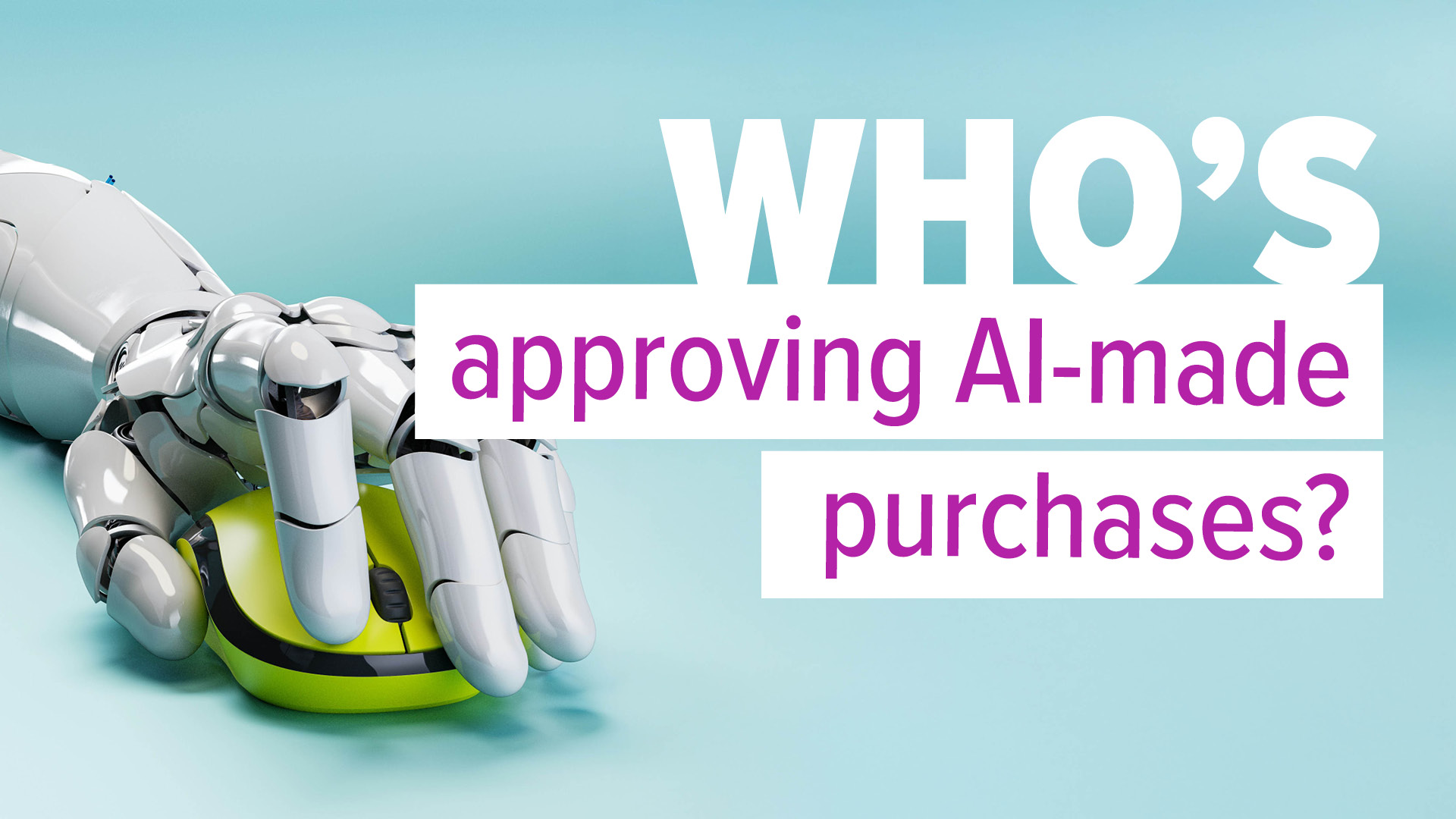
Completing purchases directly inside the chat.
For example:
- OpenAI has been experimenting with in-chat commerce features like “Instant Checkout”
- Microsoft is rolling out Copilot Checkout across its ecosystem
You can read more about these developments here:
- https://openai.com/blog
- https://blogs.microsoft.com/blog/
- https://www.theverge.com/ai-artificial-intelligence
These features allow users to:
- Search for products or services
- Get recommendations
- Click “Buy”
- Complete the transaction
All without ever leaving the AI interface.
No browser tabs.
No traditional checkout flow.
No built-in pause for second thoughts.
Why This Matters for Your Business
From a convenience standpoint, it’s impressive.
From a business control and cybersecurity standpoint, it’s a different story.
1. It Can Bypass Your Purchasing Controls
Most businesses have safeguards in place:
- Approval workflows
- Budget checks
- Approved vendor lists
- Oversight on spending
But AI-powered checkout can sidestep those processes if not properly managed.
What happens when:
- An employee buys software on the fly?
- A subscription gets started without approval?
- Equipment is ordered outside your standard vendors?
If you don’t have visibility, spending can slip through the cracks fast.
👉 Related reading on shadow IT risks:
https://www.cisco.com/c/en/us/products/security/what-is-shadow-it.html
2. Payment and Data Exposure Questions
To make checkout work, AI tools integrate with platforms like:
- PayPal
- Stripe
- Shopify
These are reputable systems — but that’s not the real concern.
The real questions are:
- Which payment method is being used?
- Is it tied to a corporate account or personal one?
- What data is the AI tool storing or reusing?
- Are transactions logged anywhere centrally?
👉 Learn more about data security and AI risks:
https://www.nist.gov/artificial-intelligence
https://www.cisa.gov/ai
3. Frictionless Buying = More Spending
Here’s the part many businesses underestimate:
👉 The easier it is to buy, the more people buy.
Microsoft has already indicated that AI-assisted buying increases conversion rates and speed.
That’s great for vendors.
But for your business, it can quietly:
- Increase software sprawl
- Inflate expenses
- Create duplicate tools and subscriptions
👉 Related reading on SaaS sprawl:
https://www.gartner.com/en/information-technology/glossary/saas-sprawl
So… Should You Allow AI-Based Purchasing?
This isn’t about saying AI checkout is “good” or “bad.”
It’s about making a deliberate decision — not discovering it after the fact.
If You Do Allow It, Set Clear Guardrails
If you’re open to your team using AI to make purchases, you need structure:
- Define who is allowed to buy
- Set limits on what can be purchased
- Restrict approved payment methods and accounts
- Ensure all purchases are visible and logged
- Educate your team: convenience ≠ no accountability
If You Don’t Allow It, Be Explicit
If AI-based purchasing doesn’t fit your business:
- Document it
- Communicate it clearly
- Enforce it consistently
Because if you don’t define the rule…
>> Your team will assume it’s allowed.
The Bigger Issue: AI Moves Faster Than Your Policies
AI features don’t come with a memo saying:
“You should update your policies now.”
They just… appear inside tools your team is already using.
And by the time you notice?
They may already be using them.
The Real Question
It’s not: “Can your team use AI to make purchases?”
It’s: “Have you decided if they should?”
Need Help Setting AI Policies for Your Business?
Most businesses don’t realize this risk until it’s already happening.
If you want to:
- Stay ahead of AI-driven changes
- Protect your business from hidden spending and data risks
- Put smart, practical policies in place
Let’s talk. My team can help you put the right guardrails in place — before this becomes an expensive surprise.