Could You Stop AI If Something Went Wrong?
Your employees are using AI every day.
Some use ChatGPT to write emails.
Others rely on Claude or Microsoft Copilot to summarize meetings or analyze spreadsheets.
Marketing teams use AI to create content. Customer service teams automate responses. Finance departments are experimenting with AI-powered reporting.
AI has quietly become part of everyday business.
But here’s a question that very few New Jersey business owners have asked:
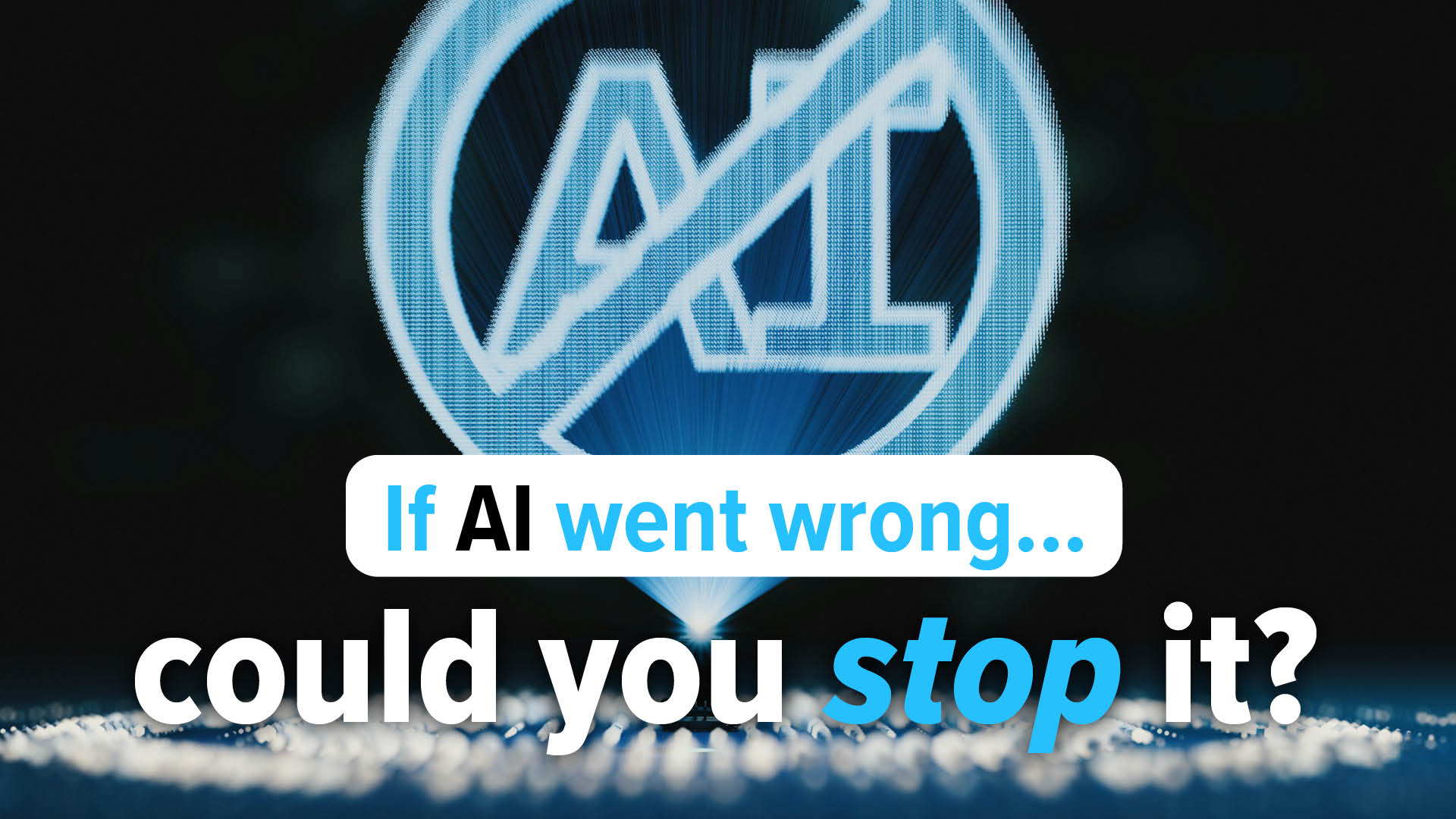
If one of those AI systems made a serious mistake tomorrow, could you shut it down immediately?
If you’re not sure, you’re not alone.
Many organizations have embraced AI without establishing the same oversight they expect from every other critical business system.
AI Is No Longer Just a Productivity Tool
A year ago, AI was mostly something employees experimented with.
Today, it’s built directly into the software businesses already use.
Microsoft 365, Teams, Outlook, Adobe, Salesforce, QuickBooks, Google Workspace, and countless other platforms now include AI features by default.
That means your business may already be relying on AI—even if you never officially approved its use.
For many New Jersey businesses, AI adoption has happened gradually rather than strategically.
And that’s where risk begins.
Imagine This Scenario
An employee asks AI to summarize a confidential client proposal.
Another uses AI to generate contract language.
Someone else connects an AI tool to your CRM so it can automatically respond to customer inquiries.
Everything works perfectly…
…until it doesn’t.
Perhaps sensitive information is exposed.
Maybe inaccurate information is sent to a customer.
Or an automated decision creates a compliance problem.
Now imagine your leadership team asking one simple question:
“Turn it off.”
Would anyone know how?
Most Businesses Can’t Answer These Questions
During technology assessments, we often discover organizations don’t have clear answers to questions like:
- Which AI tools are employees using?
- Who approved them?
- What company data do they access?
- Where is that data stored?
- Who owns each AI system?
- Can access be revoked immediately?
- Are employees using personal AI accounts with company information?
If those answers aren’t documented, your business has an AI governance problem—not an AI problem.
Why AI Governance Matters
The phrase AI governance may sound complicated, but it’s actually straightforward.
It means creating policies that answer three important questions:
What AI tools are allowed?
Not every AI application belongs in your business.
Some offer enterprise-grade security and privacy protections.
Others may store prompts, use company data for model training, or provide little transparency about how information is handled.
Employees need guidance on which tools are approved.
Who Is Responsible?
Technology alone shouldn’t own AI.
Neither should marketing, HR, finance, or operations independently.
Every AI system should have someone accountable for:
- Security
- Accuracy
- Compliance
- Data privacy
- Business impact
When ownership is unclear, problems take longer to resolve.
How Do You Stop It?
Every critical system needs an emergency shutdown procedure.
AI should be no different.
Whether it’s disabling an integration, revoking permissions, removing API access, or turning off Microsoft Copilot features, organizations should know exactly what steps to take if something goes wrong.
Waiting until an incident occurs is too late.
Regulators Are Paying Attention
Governments around the world are beginning to introduce regulations requiring businesses to demonstrate responsible AI practices.
Even if your organization isn’t directly regulated today, customers increasingly expect transparency around how AI influences business decisions.
Questions like these are becoming more common:
- Was AI involved?
- What data did it use?
- Who approved its output?
- Can the decision be explained?
Businesses that can confidently answer those questions will earn greater trust.
Those that can’t may face legal, contractual, or reputational challenges.
AI Isn’t the Enemy—Lack of Visibility Is
At ONE2ONE Tech Solutions, we encourage businesses to embrace AI responsibly.
Used correctly, AI can dramatically improve productivity, reduce repetitive work, and help employees focus on higher-value tasks.
The goal isn’t to slow innovation.
The goal is to stay in control of it.
The most successful organizations won’t be the ones using the most AI.
They’ll be the ones using AI intentionally—with clear policies, security controls, and accountability.
Five Questions Every NJ Business Should Ask Today
Take five minutes and ask yourself:
✅ Do we know every AI tool employees are using?
✅ Do we have a written AI usage policy?
✅ Are employees allowed to upload confidential company information into public AI tools?
✅ Can we disable AI access quickly if necessary?
✅ Is someone responsible for overseeing AI across the organization?
If you answered “no” to even one of these questions, your business has an opportunity to strengthen its AI strategy before it becomes a security issue.
Build an AI Strategy Before You Need One
AI isn’t replacing IT governance—it makes governance even more important.
The organizations that thrive over the next decade won’t simply adopt artificial intelligence faster than everyone else.
They’ll adopt it more responsibly.
At ONE2ONE Tech Solutions, we help businesses throughout Northern New Jersey develop practical AI policies, strengthen Microsoft 365 security, implement layered cybersecurity, and ensure new technologies improve productivity without increasing unnecessary risk.
Before AI becomes another unmanaged business system, let’s build a strategy that keeps your organization secure, compliant, and in control.